More Than an Internship: My Time at Nahla Capital
When I accepted a summer internship at Nahla Capital, I expected to learn a lot about private equity and real estate. I knew I’d be joining a firm known for its long-term approach and thoughtful investment strategy. What I didn’t yet realize was just how intentional the team is, not just with capital decisions, but in how they work, communicate, and bring people into the process.
From the beginning, I wasn’t treated like “just an intern.” I wasn’t handed the typical “busywork” or asked to quietly observe from the sidelines. I was brought into real discussions with real context. I was encouraged to ask questions, share ideas, and contribute to the work of the team; and in return, I was trusted with insight into how decisions are made.
Real Projects, Real Responsibilities
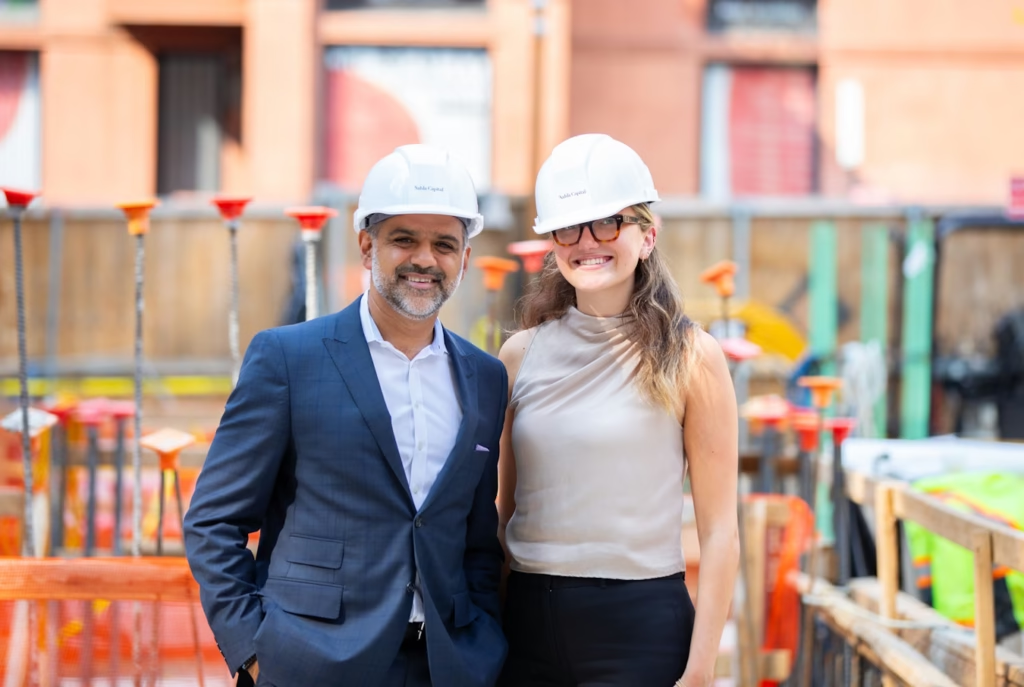
Rather than rotating across departments, I concentrated on several in-depth Asset Management projects. I supported a multifamily property on the Upper West Side and a retail development on the West Coast, participating in calls with architects, attorneys, lenders, and property managers. I also analyzed the carbon footprint data of a commercial asset sold in 2025, contributing to the calculation of its total carbon cost. I also oversaw the rollout of cost-saving initiatives designed to enhance operational efficiency, reduce expenses, and long-term income and value creation.
But beyond the work itself, what really stood out to me was how the team encouraged my questions. There was no expectation to already know everything. The team took time to explain their thinking, not just for show, but because they genuinely wanted me to understand what I was doing and why it mattered.
A Culture That Feels Different
It didn’t take long to realize that Nahla operates differently than most firms. There’s a calm focus in the way they operate. The pace is fast, but deliberate. But their seriousness isn’t about being intimidating. It’s about the huge responsibility that comes with investing with other people’s capital. That standard is felt in every aspect of the team’s work, from team meetings, to memos, and to spreadsheets.
One thing that stood out was how the team talks about time. While other firms might chase short-term quarterly wins, conversations at Nahla were about decades. “What does this decision look like in 20 years?” “How do we avoid short-term fixes that become long-term liabilities?” The level of long-term thinking required to answer these questions and to then act on those answers was new to me, and, honestly, changed how I think about investing.
What I’m Taking Away With Me
- Clarity matters. Clarity isn’t just a communication skill. It’s an investment philosophy. Whether I was drafting an internal memo or preparing a slide deck for an external partner, the emphasis was always on clarity. This wasn’t about polish for polish’s sake; it was about being intellectually honest, precise, and confident in your thesis.
- Value is created through small, informed decisions over time. Watching the way each project is managed reinforced that good outcomes in real estate private equity come from lots of small, informed decisions made consistently over time. Every variable matters. Nothing is just assumed.
- Trust is built. Across every interaction, the expectation is reliability and consistency. Do what you say you’ll do, and only say what you can stand behind. It sounds simple, but I saw firsthand how rare and valuable that consistency really is.
Looking Back
This internship didn’t give me a cheat code to break into the world of real estate private equity. industry. What it gave me was a much deeper understanding of it and a clear picture of what it looks like to work with diligence, discipline, and integrity. It taught me how to think critically and ask the right questions. It reinforced the value of working with a team where reputation isn’t just a branding exercise, it’s built, deliberately, through years of strategic thinking and careful execution.
I leave Nahla Capital with a deeper understanding of real estate as a long-term, multidisciplinary endeavor. It isn’t just about numbers. It requires financial analysis, yes, but also legal fluency, urban planning awareness, a sense of history, and a real feel for how people live. That complexity is what makes it compelling.
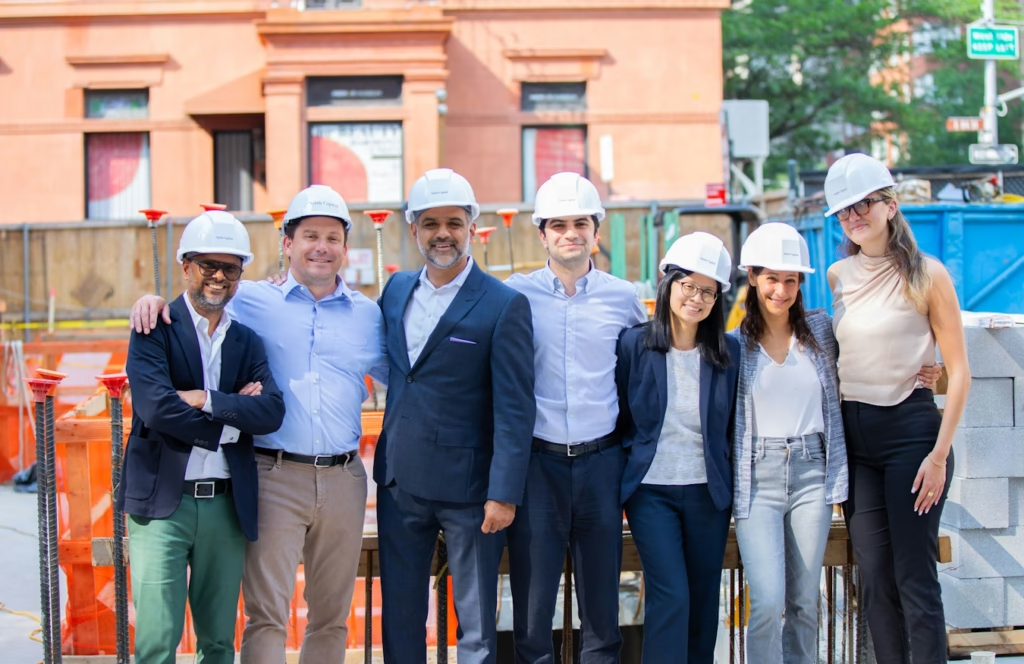
To the entire team at Nahla: thank you for taking the time to teach me without dumbing things down, for giving me real responsibility, and for showing me what it looks like to operate with integrity in an industry that doesn’t always prioritize it.
This summer gave me a standard to measure future experiences against and that might be the most valuable thing I take with me.
